Recently, as part of their 25th anniversary, Pitchfork featured a list of the top 200 albums of the past 25 years as chosen by their readers. I’m not sure why they settled on 200 rather than 250, which is much cleaner given the anniversary and would have given more space for some of the records that many think were omitted. That’s why I’m here.
Don’t get me wrong. It’s a fine list, and I don’t have much to quarrel with it about really other than placement, since they appear ranked, which is always a fools errand.
That said, there were some really glaring omissions in my mind, as I’ll explain below. I’ve limited myself to 20 deserving albums that perhaps should have received more consideration. So, it we were to magically push the list to 25, that would still leave 30 more to add from those genres I don’t listen to enough to have an informed opinion about.
So here are 20 albums released between 1996 and 2021 that I think deserved more love, presented in mostly chronological order. Most, but not all, of these artists were omitted altogether.
This is the full list. As I worked through this, I broke it into chunks to allow myself time to be thoughtful about my perceived omissions. Part 1 covers the 90s alone, and Part 2 covers the aughts. And this is just MY list. I don’t pretend that my methodology was foolproof. There are other worthy omissions (a good friend has already pointed out Tortoise as one and Savages and another Run the Jewels spring to mind after even this exercise), but these are the ones I know the best and thought of first. I have to give myself limits right?
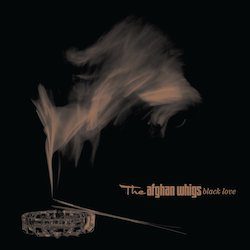
Black Love – The Afghan Whigs (1996)
I know, I know. The Afghan Whigs weren’t active for much of the period Pitchfork covered, but they did come back with some very fine albums. Many would consider this to be their masterpiece (and everyone else would say Gentleman), appeared in 1996, I’m not sure how it was left out
This is the band at its most ferocious and at the same time introspective, which is a hard trick to pull off, but they nail it.
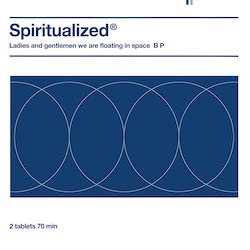
Ladies and Gentlemen We are Floating in Space – Spiritualized (1997)
Unlike the Afghan Whigs, Spiritualized was making music for a large chunk of the time that the list covers, all of which were pretty highly rated in many quarters, including Pitchfork.
For my money, this is the best of the lot too. It really is a seminal record for the band. I love putting this on and just sitting and listening to relax.
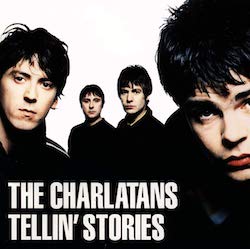
Tellin’ Stories – The Charlatans (1997)
Another band that is often overlooked, first by their proximity to The Stone Roses and the whole Mad-chester thing. However, as good as their early work was, their best work was ahead of them still.
This is the third album in a span of three that I think are their best hands down (along with Up to Our Hips and The Charlatans). I don’t think it’s coincidental that this is the last album to include the contributions of Rob Collins, who was killed during its recording. I can’t imaging how they kept on, but they did. And the music world is better for it.
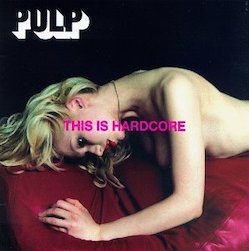
This is Hardcore – Pulp (1998)
As I am moving through these, it occurs that some of these are the victim of a kind of recency bias—they represent musical styles that were on the way out, such as BritPop in this case.
Although reactions were decidedly mixed at the time of its release, the album offers a logical end to the music of the mid-nineties. This is Hardcore is the hangover, the cold light of day after the all night parties of their previous two albums—or the entire BritPop things as a whole.
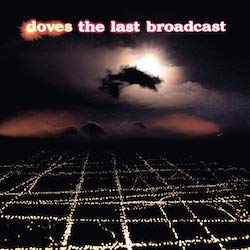
The Last Broadcast – Doves (2002)
We’ve definitely turned the corner out of anything that sounds like the 90s by the time we get to this album. I’m not sure exactly why this album received so little love from Pitchfork readers. I mean Pitchfork even said as much: “Doves’ fourth album is another sterling example of why Doves should be household names and why they probably won’t ever be.”
While this is their second album, it shows Doves coming into the sounds that the review so praises above. It’s all about a big chorus and a sound that is little bit askew of what you’d expect, very effectively so.
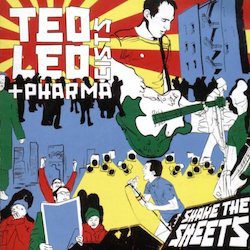
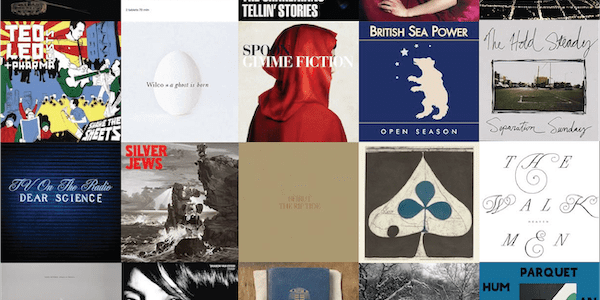
Shake the Sheets – Ted Leo and the Pharmacists (2004)
Another band that is a surprising omission given the love this received at the time across the music internets. This is probably Ted Leo and the Pharmacists’ most solid piece of work end to end. Yes, he has some great song across other albums (and his solo album isn’t anything to sneeze at either), but this album is alike a murderer’s row of insanely great power pop verging on punk but never quite making it.
Of course, it received a decent score form Pitchfork review, but I’d bet the reviewer would like his string of underhanded compliments back for a little reframing now. This album has zero pretension. It is what it is, and it is insanely good at being that thing.
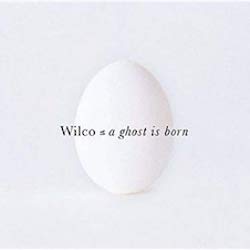
A Ghost is Born – Wilco (2004)
This is the first band (seems crazy, right?) that wasn’t omitted entirely from the original list. Of course Yankee Hotel Foxtrot had to make that list, else it would lose all credibility immediately (sort of like not including OK Computer). The difference between this and Yankee Hotel Foxtrot is that this album evolves the direction that the band started down with it, and really refines it to its fullest (and then left it behind for future albums).
“Spiders (Kidsmoke)” may be the most Wilco track of this era of Wilco, as they switch tempos and sound levels like crazy for an incredible 10 plus minutes (and I usually hate such long songs).
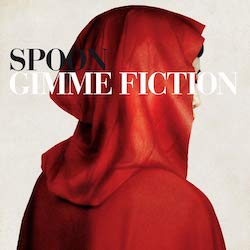
Gimme Fiction – Spoon (2005)
Another band that did appear on this list for the excellent Ga Ga Ga Ga Ga, Spoon deserved more than one entry out of 200 for their excellence for almost the entire span of the list. While I love Ga Ga Ga Ga Ga as much as the next person, I like Gimme Fiction even more.
This album is probably peak Spoon. They don’t stretch their sound much here, but what they present if the essence of what makes and has made Spoon for a long time. There really isn’t a weak song on the album, even more so than other albums of theirs.
Data point: when it came to acquiring a Spoon album on vinyl, this was my first and easy answer.
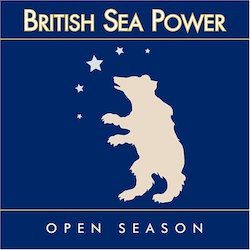
Open Season – British Sea Power (2005)
British Sea Power (now Sea Power) released their debut, The Decline of British Sea Power, in 2003. It announced a band with a lot of promise, even though it was uneven at times and couldn’t decide how much it wanted to go down the path of mimicking Joy Division, which was a major sound trend at time.
By the time Open Season arrived a couple of years later, all the toying with that sound was gone as they’d settled into something almost pastoral at times. A friend of mine remarked at the time they sounded more like peak Bunnymen than Joy Division, which I think is telling. More importantly, they stayed true to the sound they’d staked out for the entirety of the album. They’ve continued in this vein ever since, releasing good music, but never quite reaching the highs as their sophomore effort.
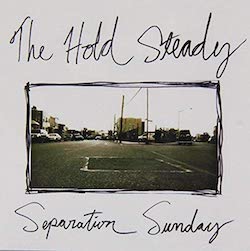
Separation Sunday – The Hold Steady (2005)
Wait! What? The Hold Steady was totally omitted from this list?! Unfair.
This album listens to me like a concept album following the life, primarily, of Holly (or Hallelujah), and over the course of it, it has so many great songs. From the beginning, it unfolds slowly until it’s crescendo in “How a Resurrection Really Feels.” In a lot of ways, this album brought the rock back to indie rock, reaching back for inspiration to the 70s for the guitar and organ or piano parts.
A lot of people would choose Boys and Girls in America, and I’ll give them that—it is more polished than its predecessor. But for me the raw power of Separation Sunday carries the day.
The Hold Steady at the Earl still may be the loudest rock and roll show I’ve ever attended in person.
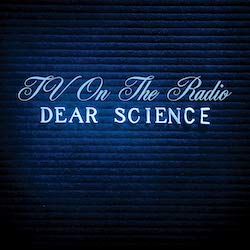
Dear Science – TV on the Radio (2008)
Overheard: “I’ve heard the future of rock and roll: it’s TV on the Radio. And I like it.”
The original list lists Return to Cookie Mountain, which is a worthy inclusion. However, given the time frame the list covers, one album by TV on the Radio is at least one too few (also have. a listen to Seeds). It actually surprised me that this wasn’t the one that Pitchfork listeners choose instead of the earlier Cooke Mountain, this is where the band really cemented their sound and what they were about. With it they begin to expand into dance friendliness too in a way they hadn’t before (see, “Dancing Choose”), while retained the stilted aspects to their sound that had become a signature for them.
When it comes down to it, TV on the Radio are one of my top 10 acts of he last 25 years. So here’s a little love for them.
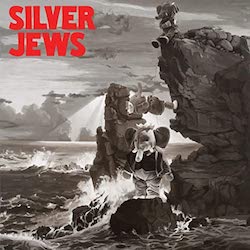
Lookout Mountain, Lookout Sea – Silver Jews (2008)
David Berman appears a couple of times on the list, once as Silver Jews and once as Purple Mountains (for the record release just before his suicide). That recognition is a good thing, but for my money, this album is his best as Silver Jews. By this time, all the torture of who’s playing with him? Pavement or someone else was a thing of the long past, so we could focus on the music and the music alone, which to be fair, we should have been doing all along.
This album captures sounds from all the genres that he was interested in from straightforward indie to what could only be styled Alt-Country. And there is no better song, if you had to pick one, that sums up Berman more than “What is Not but Could Be If.”
The Rip Tide – Beirut (2011)
Another band totally omitted from the list—and I can’t for the life of me figure out why. This album in particular is a hight point for me. It’s a nice evolution from The Flying Cup Club (though you can’t beat “A Sunday Smile”). The Rip Tide takes every thing I loved from the previous release and builds and expands on it, by simplification mostly. Out with the noisy exuberance and in with understated arrangements that work to great effect.
“Santa Fe” is one of my few go to songs to use as an alarm in the morning.
This album is a perfect pair in my mind to the next one on this list. In fact, I often listen to them that way.
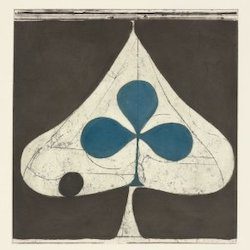
Shields – Grizzly Bear (2012)
For me Shields is Grizzly Beat’s most satisfying album to date. And that’s saying something for the follow up toVecktamist, which is prominently placed on Pitchfork’s list and was highly rated by myself in 2009 (#2 though it should have been #1 in retrospect). Grizzly Bear’s albums only get better with every listen. and this album. is no exception. In fact, of the albums I ranked higher than it at the time, two were flat out wrong, and three are below. Also, one Grizzly Bear isn’t enough.
Side A (if actual albums are still your thing) is a stunning tour de force, going from strength to strength. I’d be really hard pressed to pick. a favorite from these (ok ok, it’s “Speak in Rounds”).
Heaven – The Walkmen (2012)
The Walkmen rarely disappoint. That said, I think this album is their best effort—full stop—and that “Heartbreaker” may be their best song since “The Rat.” I even said that at the time and I take nothing back. Add that to a consistent quality from start to finish, it earned it’s spot on this list if not Pitchfork’s. In fact, no Walkmen album makes their reader’s grade, which says a lot for recency bias I think.
Quieter and more introspective than much of what many would consider their best, I think that is this album’s particular strength.
Not much time at all has to elapse without me wishing they’d make another album, but I know that’s not happening. I do enjoy Hamilton Leithauser’s solo work a lot, but it’s just not quiet the same.
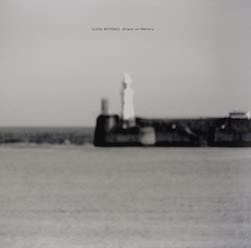
Attack on Memory – Cloud Nothings (2012)
For as much love as Cloud Nothings have gotten over the years (as evidenced by their early albums being reissue in deluxe formats on vinyl), the list had no room for them. I, on the other hand, love this album. Put more precisely, I loved every note on this album from start to finish.
As the tempo and urgency ebbed and flowed, I went along happily for the ride. Even though it’s only a brief eight tracks, I can’t for the life of me pick one above any of the others.

Tramp – Sharon van Etten (2012)
If you haven’t heard of Sharon van Etten, where have you been hiding anyway? The fact that she is also completely omitted from the Pitchfork readers’ list is astounding. It has nothing to do with her gender since women are well represented on the list. Maybe it’s the women in indie rock bit. I dunno.
But if you are looking for an entry into her music, you can’t beat this one. While she has also evolved her sound in ways that I really like, it’s this one that really did it for me in the first case, and still does. This album is a slow, steady burn. I don’t want to the one that caused that ire. But it is not an angry album all told.
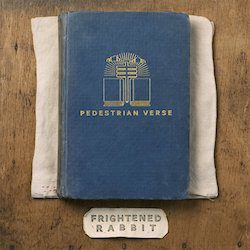
Pedestrian Verse – Frightened Rabbit (2013)
The album that really makes me ask myself, “what could they have accomplished?” With their fourth full-length LP, Frightened Rabbit finally brought all the pieces that made their other albums so good, separately, together. There just aren’t any down moments or off notes.
It’s all too sad that we were only given one more album, Painting of a Panic Attack. While this was a really good album, I will always rate this one as my go to when remembering Scott Hutchinson (may he rest in piece) and to power that was Frightened Rabbit. Please swing by TinyChanges.com (“A community of tiny change makers, working together to help young minds feel better.” )o learn more about mental health and ways to help.
Now, with that sadness out of the way, I get to really take Pitchfork’s readers to task. I mean what the serious fuck people. Not a single Frightened Rabbit LP amongst 200? You’ve got to be kidding me. Are your memories so short?
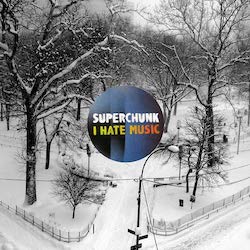
I Hate Music – Superchunk (2013)
After 2010, I thought Superchunk’s comeback was done. I mean, who else does that? Disappear for a decade and kick some major ass? What are the chances for a repeat? Apparently they were 100% and still continuing with this album and What a Time to Be Alive in the can since then.
While not as in your face as Majesty Shredding this is the stronger album front to back. And it’s strength lies in its emotion and restraint. While the uptempo bangers you expect from Superchunk are still in effect, I Hate Music, as a whole package darker, focusing on personal loss and the passage of time. This may be the most introspective album of theirs since Indoor Living.
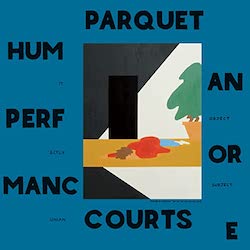
Human Performance – Parquet Courts (2016)
Parquet Courts took forever to grow on me. Perhaps because I just found “Stoned and Starving” a novelty song that after about the 10th hearing just totally go on my nerves. So I was late this one and all their work almost to date. Sometimes I even get it right in retrospect. They are one of the most dynamic bands working today. Ever album is its own adventure, sometime boldly going in new directions.
In fact, my last vinyl purchase was their newest album Sympathy for Life, and I suspect in time that it will displace this one if I ever revisit this list (which I won’t). And I mean Pitchfork loves them. Why don’t their readers? Inquiring minds want to know.