The CDC shooting and what it means for our safety
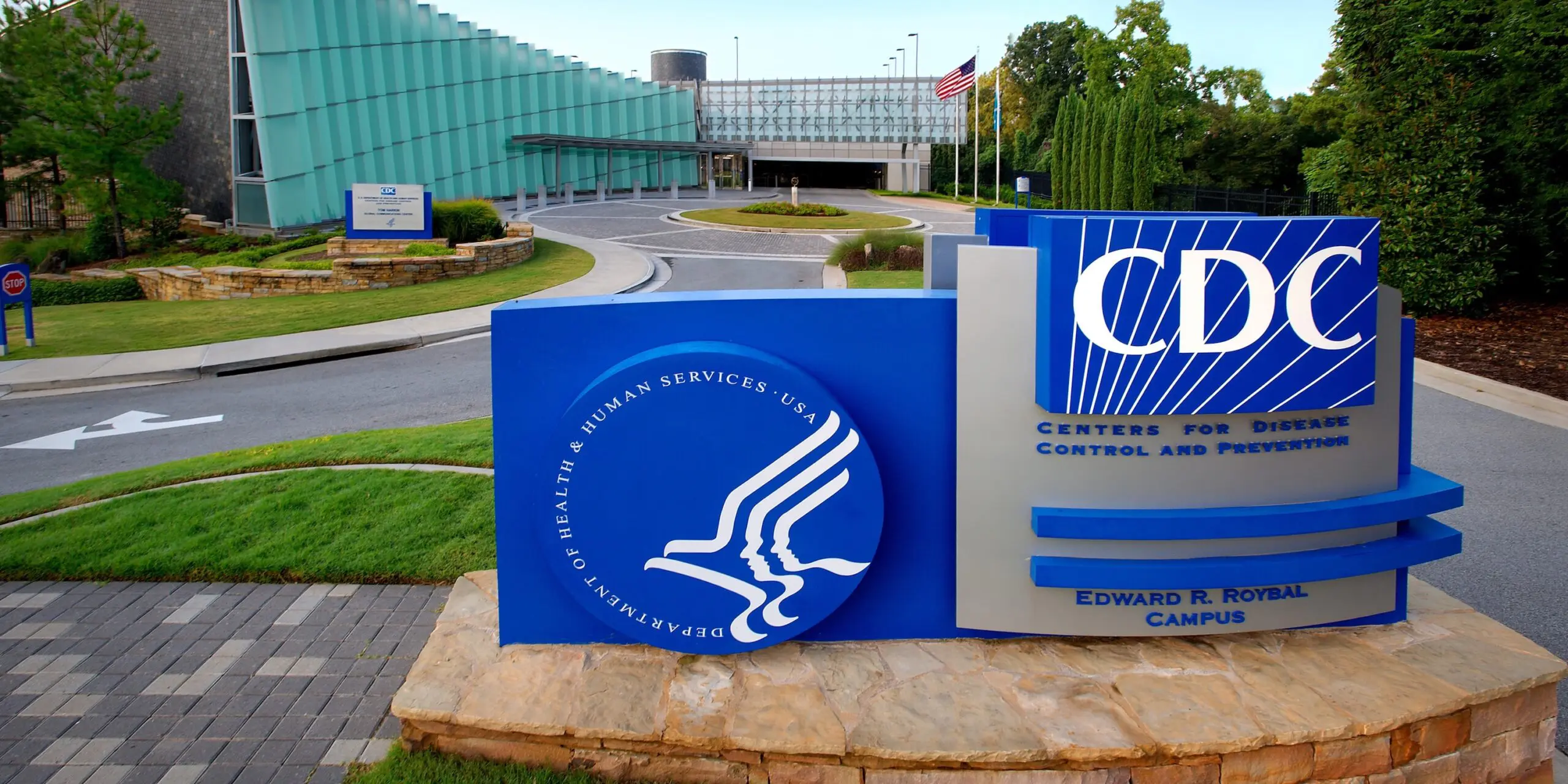
The recent shooting at CDC headquarters in Atlanta represents more than just another tragic act of violence—it’s a devastating symbol of how far we’ve fallen in our relationship with the very people dedicated to protecting our health. It’s a war on public health.
When protectors become targets
Dr. Jay K. Varma’s haunting account of Friday’s events captures a heartbreaking reality: public health workers, who spend their days comforting AIDS patients and fighting invisible threats like diseases and pollutants, now fear for their own safety. (Full disclosure, Dr. Varma is a colleague of mine on OpenWater.) As colleagues hid under desks and shared photos of bullet holes in their office windows, the message became clear—those who protect us have themselves become targets.
The shooter, according to reports, blamed vaccines for his health problems and sought revenge against those he believed had harmed him. This wasn’t random violence; it was the deadly culmination of years of escalating hostility toward public health officials.
The COVID backlash and its impact
When the pandemic began, public health workers hoped it would be their “9/11 moment”—a chance for recognition as essential to public safety, like police and firefighters. Instead, the opposite happened. As people lost jobs, businesses closed, and lives were disrupted, many blamed not the virus, but those trying to control it.
Dr. Varma describes being followed down the street by a man screaming, “I hope your kids all get Covid and die, and then you do too.” This wasn’t an isolated incident—it was part of a sustained campaign of intimidation that has persisted for nearly five years.
The consequences are profound. Between 20-30% of public health jobs remain unfilled. Almost every county public health officer in California left during or after COVID’s peak. Skilled professionals are fleeing to industry, healthcare, or academia where they can earn more money and live calmer lives.
Those who remain often hide their work, removing CDC parking decals and avoiding mention of vaccines or infectious diseases at social gatherings. Even U.S. Public Health Service officers are questioning whether to wear civilian clothes instead of uniforms.
Run. Hide. Fight. (And fight back.)
The phrase “Run. Hide. Fight”—now standard protocol for active shooter situations—has become a tragic metaphor for the choices facing public health workers. Many are running, leaving the field entirely. Others are hiding, obscuring their roles and staying silent. But some are choosing to fight.
Organizations like Defending Public Health are training advocates to speak up in communities and with elected officials. CDC alumni are protesting cuts and briefing lawmakers. But the real battle must be fought in town councils, school boards, and community meetings—wherever public health decisions are made.
The stakes couldn’t be higher
This isn’t just about protecting public health workers—it’s about protecting ourselves. These are the people who fight threats we can’t see, who work to prevent diseases we don’t even know we’re at risk of getting. They’re bound by a simple commitment: making other people’s lives better.
As Dr. Varma learned from public health officials worldwide, their work advances justice, increases economic opportunity, and helps us protect each other. The message they need to keep sending—and that we need to hear—is simple: “We’re here for you. We’re going to protect you.”
The important question he poses in the article: will we protect them in return?
Photo by Jim Gathany – https://www.cdc.gov/museum/slideshow/index.html, Public Domain, https://commons.wikimedia.org/w/index.php?curid=71807052